In a world where fashion trends change faster than the seasons, our closets often overflow with barely worn items. The fast fashion industry has made it easy to over consume, creating a throwaway culture and leading to a significant environmental impact.
A fun way and community-driven solution to combat this is hosting a clothing swap event. Not only does it help in reducing waste, but it also fosters a sense of community and promotes sustainable fashion practices. Here’s how you can host your own clothing swap and encourage others to do the same.
Hosting Your Clothing Swap Event
Plan the event
Set a Date and Time: Choose a date that gives you enough time to promote the event and allows potential attendees to clear their schedules. Weekends or evenings typically work best. Consider creating a free booking page (Eventbrite can be a good tool for this) so you can have an idea ahead of time of how many people to expect.
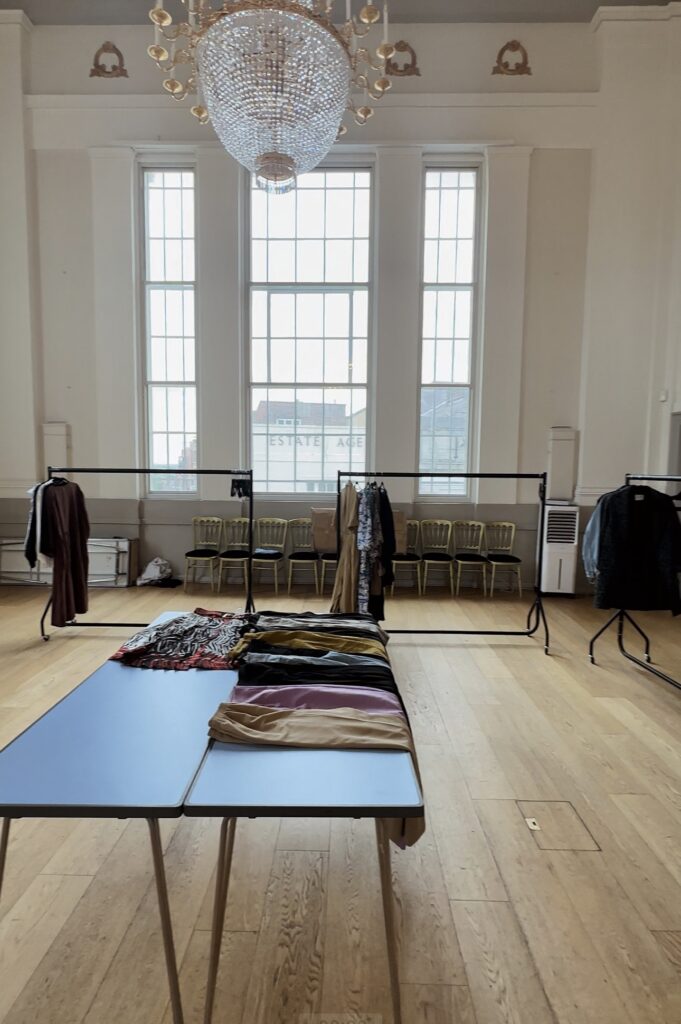
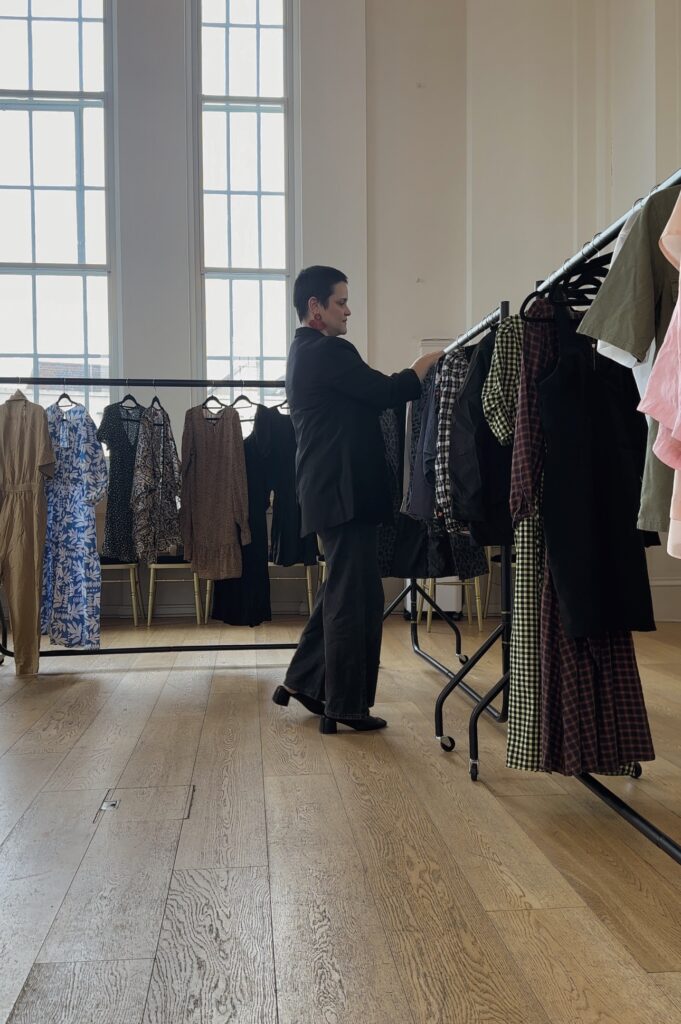
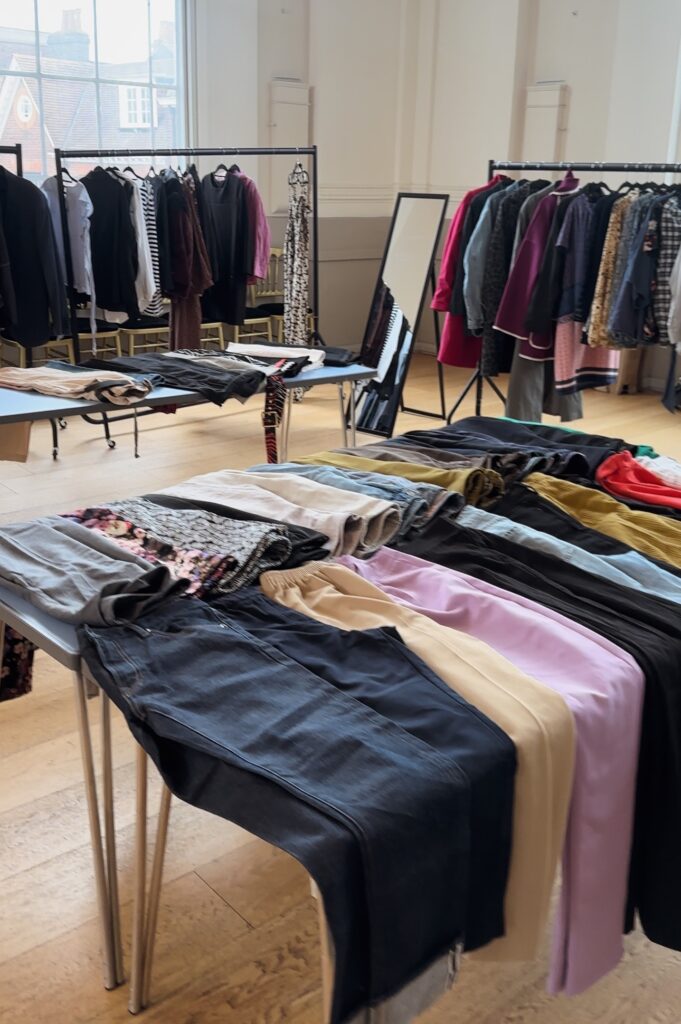
Select a Venue: Your venue could be as simple as a community centre, a local park, or even your living room. Ensure there’s enough space for people to browse the clothing comfortably. I had the opportunity to host this swap event in the Assembly Room at the St Albans Museum, which needless to say created a gorgeous atmosphere. Ensure there’s enough space for people to browse the clothing comfortably.
Create Guidelines: Establish what types of items are acceptable. Encourage participants to bring clean, gently used clothing, shoes, and accessories. Specify limits, such as a minimum and maximum number of items to bring.
Promoting
Engage on Social Media: Create an event page on platforms like Facebook, Instagram, and Twitter. Regularly share posts leading up to the event and encourage your friends and followers to share the information.
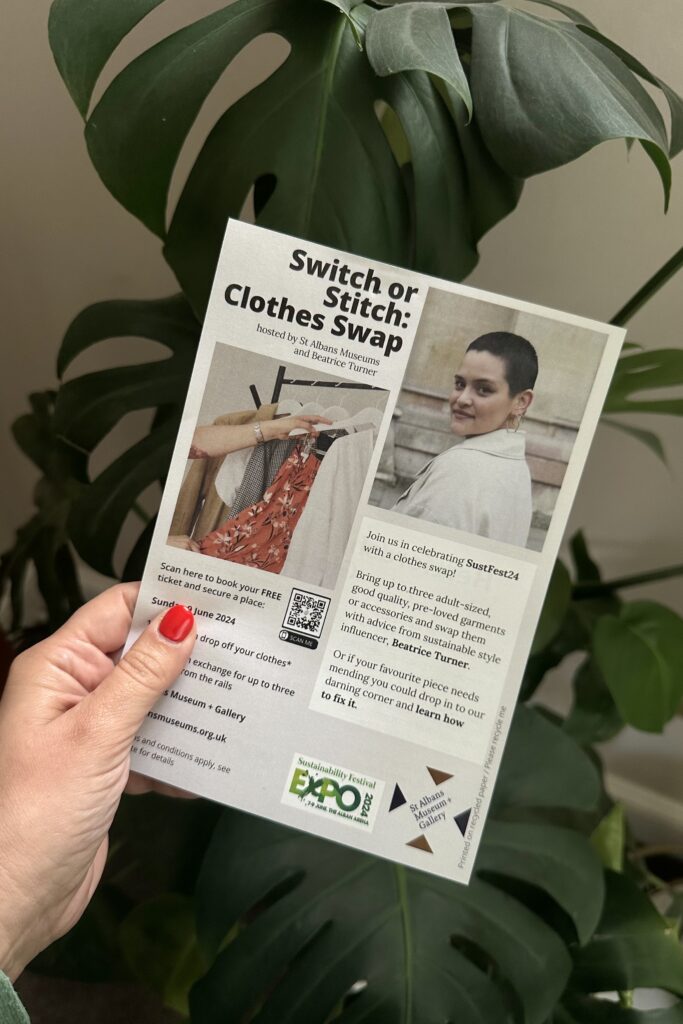
Distribute Flyers and Posters: Put up flyers in local cafes, libraries, gyms, and community boards. Ensure that all essential details are included: date, time, location, and item guidelines.
Engage Local Media: Reach out to local newspapers, blogs, and radio stations to cover your event. A press release can help generate interest and coverage.
Organising the space
Set Up: Arrange tables, racks, and bins to display clothing items attractively. Categorise items by type (e.g., tops, bottoms, dresses) and size to facilitate easy browsing. EXTRATIP: check with your local council and waste management centres for supplies as some of them might have rails and hangers to lend out for event like this!
Create Signage: Use clear signs to indicate different sections and provide any special instructions.
General Supplies: Ensure there are mirrors, changing areas, and reusable bags for participants to carry their newly swapped items.
Running the event
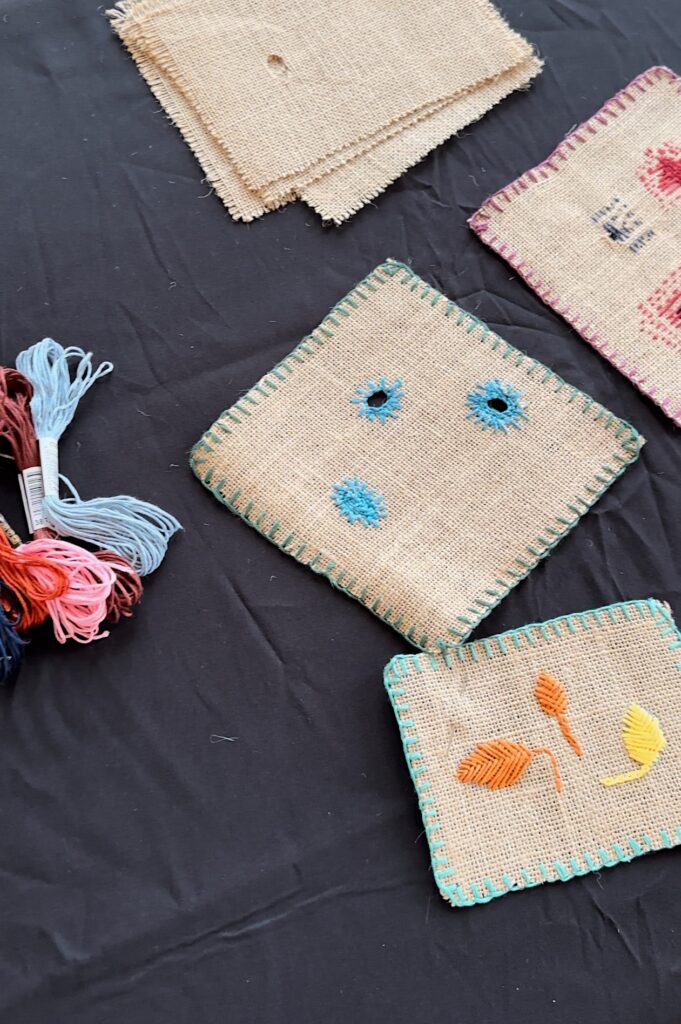
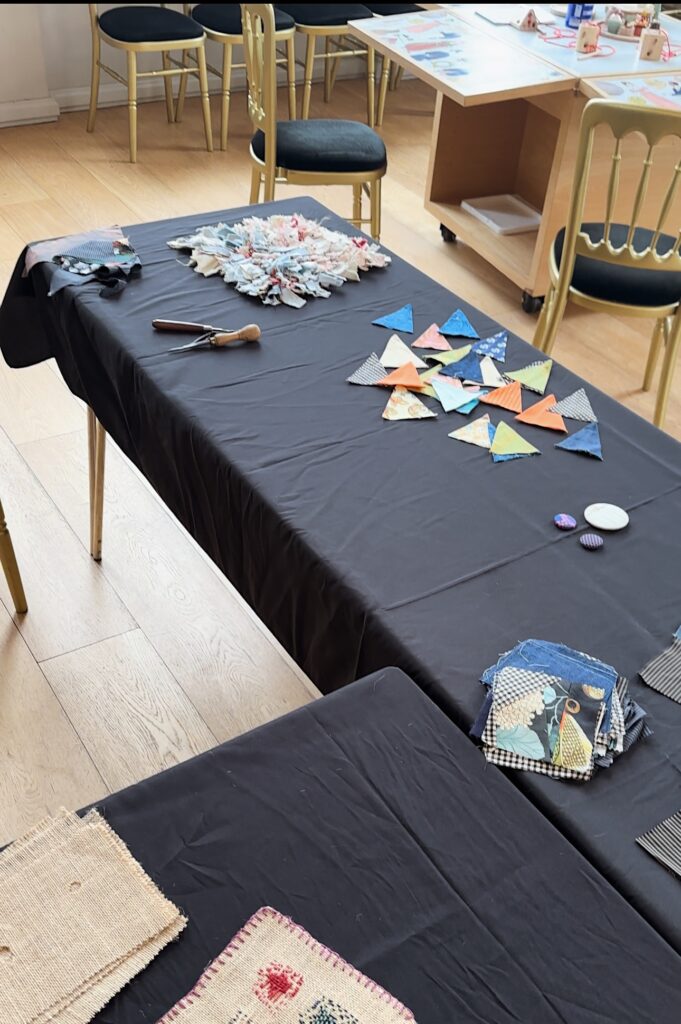
Welcome: Greet everyone warmly and explain the swap rules and process. In this case, we received the items from 1:30pm and asked the attendees to come back at 2pm for the swap. Giving us enough time to organise and display the items. Encourage mingling and socialising to enhance the community spirit – we created a clothes mending corner and had a children’s area so people would stick around while they waited!
Swap Process: Implement a token system where participants receive a token for each item they bring and can use these tickets to “purchase” new items.
Promote sustainability: Use the event as an opportunity to discuss the importance of sustainable fashion and share tips on reducing fashion waste. It can be a great way to integrate educational materials or short talks to reinforce these messages.
POST EVENT
Donate Leftover Items: Arrange for any unclaimed items to be donated to local charity shops and make sure they are organised and in good condition.
Gather Feedback: Collect feedback from attendees to understand what worked well and what could be improved for future events.
Tips for a Successful Clothing Swap
Diversity in Items: Encourage participants to bring a variety of clothing items, including different sizes, styles, and accessories, to ensure there’s something for everyone.
Engage Volunteers: Enlist volunteers to help with set-up, organization, and clean-up. Their support can make the event run more smoothly and efficiently.
Create a Fun Atmosphere: Play music, offer refreshments, and consider having a theme to make the event enjoyable and memorable.
Promote Inclusivity: Make sure your event is inclusive and accessible to everyone in the community. This might include ensuring wheelchair access and considering diverse body sizes and styles.
Hosting a clothing swap is a simple yet powerful way to promote sustainable fashion within your community. It not only helps reduce waste but also strengthens community bonds and offers a fun, cost-effective way to refresh your wardrobe. By taking the initiative to host a clothing swap, you are not just exchanging clothes—you are fostering a culture that values sustainability and connection. So gather your friends, clear out your closets, and start swapping for a better, more sustainable future. Encourage others to do the same, and together, we can make a significant impact on the fashion industry and the environment.
Hi! I’m Beatrice and I created The Fair Edit from a mutual love of lifestyle, and of life. Combining my devotion to ethical and sustainable practices with fashion and style.
Seeking out fashion that supports sustainability and fair trade, philanthropy, green travel and cruelty free beauty, The Fair Edit is a paragon of meaningful lifestyle tips.